


Mommy Makeover
What is a Mommy Makeover? A mommy makeover is a combination of surgical procedures designed to restore a mother’s body after pregnancy and childbirth. Common
Marmaris Hair Transplant Clinic understands the intricacies of hair transplantation, acknowledging it as a sophisticated surgical procedure that demands a holistic and interdisciplinary strategy. Our specialists are devoted to tailoring individualized care and meticulous planning for each patient to achieve optimal results.
Specializing in sapphire hair transplantation, our clinic remains at the forefront of advancements in the field, continuously updating our practices to offer patients the most innovative and effective solutions for hair loss treatment.
Before the hair transplant procedure in Marmaris, Turkey, our highly skilled physicians comprehensively assess each patient’s unique hair loss patterns and scalp areas requiring treatment. This thorough evaluation forms the foundation of a meticulously planned sapphire hair transplantation surgery.
Patients are received at our clinic on the morning of the procedure day. To ensure safety for both the patient and the surgical team, thorough informed consent procedures and infectious disease panel tests, including Hepatitis B, Hepatitis C, and HIV tests, are conducted.
After these crucial preparatory steps, our doctors give patients a detailed briefing on the hair transplantation procedure. They explain the various stages involved, manage expectations regarding outcomes, and outline our clinic’s approach to ensure maximum satisfaction.
Patients are then guided to dedicated treatment rooms for the hair transplantation procedure. Through personalized consultations, our experts carefully assess the extent of hair loss, determine the donor area, estimate graft requirements, evaluate root characteristics, and consider factors like age, head anatomy, and aesthetic preferences.
Each crucial aspect contributing to the procedure’s success is meticulously evaluated and discussed with patients, with clear explanations and visual aids, including drawings illustrating the proposed approach and assistance in communication and understanding.
Based on the consultation, we decide whether the patient will undergo a shaved or unshaved transplantation. Our medical staff expertly shave the hair for shaved transplants, while for unshaved transplants, only the donor area is shaved, preserving existing hair.
Before the operation, our healthcare professionals measure the patient’s vital signs and document them in the patient’s medical file, ensuring seamless coordination and communication with the hair transplant surgeon.
At Marmaris Hair Clinic, successful hair transplantation signifies more than just a surgical procedure—it’s a transformative journey toward renewed confidence and self-image. We are dedicated to providing exceptional care, employing state-of-the-art techniques, and ensuring that each patient’s unique needs are met with professionalism and empathy.
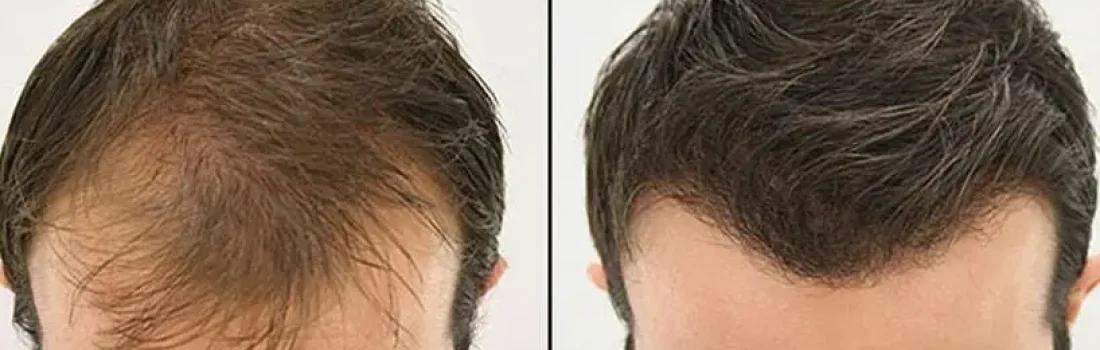
Crafting a Natural Hairline: Embracing Individuality in Sapphire FUE Hair Transplantation
In hair transplantation, the significance of achieving a natural-looking hairline cannot be overstated. While traditional methods often relied on standardized criteria like Leonardo Da Vinci’s golden ratios, surgeons practising the sapphire FUE technique recognize the importance of embracing the uniqueness of each patient. This involves a meticulous assessment of factors such as the patient’s hairline, age, cranial structure, ethnic background, and personal aesthetic goals to create an authentic and satisfying hairline.
In the context of sapphire FUE, where graft availability from the donor area is carefully considered, surgeons have the flexibility to design a subtly lower hairline on the forehead, harmonizing with the patient’s facial anatomy and frontal perspective. The diversity of facial characteristics across different ethnicities—whether Caucasian, Asian, or African—adds another layer of complexity, with considerations for varying contours, from flat to oval or curved.
While conventional guidelines suggest a hairline positioned approximately 6.5-7.5 cm above the eyebrows, individual variations in hair loss patterns necessitate a customized approach. It is paramount to engage patients in the decision-making process, allowing them to assess the proposed design through a mirror and provide feedback before proceeding with transplantation.
Ultimately, the aim is to create a hairline that appears natural and seamlessly integrates with the patient’s unique facial features and preferences. By embracing each patient’s individuality and involving them in the design process, surgeons can ensure that the final result aligns perfectly with their expectations, enhancing both appearance and confidence.
Designing the perfect hairline for a hair transplantation procedure entails more than technical precision—it’s an art form. To achieve a seamless and natural look, the surgeon must carefully consider various factors, such as the patient’s age, facial muscle structure, and pre-existing hairline.
One essential aspect is the subtle upward adjustment of the hairline’s side view, ensuring it blends harmoniously with the patient’s facial contours. For older individuals, particular attention is paid to the temporal regions, which are slightly higher to maintain symmetry and balance.
Assessing the forehead’s muscle structure, often by having the patient raise their eyebrows, provides crucial insights for crafting a lifelike hairline. The ideal placement begins just above this muscle structure and aligns seamlessly with the patient’s original hairline.
Photographs taken before hair loss are invaluable references, guiding the surgeon in tailoring a personalized plan. The surgeon meticulously examines every detail, including the regional nuances of the patient’s hair, to inform the incision and canal placement phase.
Hair transplantation is a collaborative endeavour requiring coordination between the surgeon and the medical team. Precise placement of grafts containing single hair follicles in the frontal region is vital for achieving a natural outcome.
Ultimately, creating a natural-looking hairline requires an intricate blend of artistry and scientific expertise. By carefully balancing individual characteristics, previous hairlines, and anatomical factors, our skilled team aims to restore hair, instil confidence, and enhance natural beauty.
Sapphire hair transplantation is meticulously conducted through a precise three-phase process: Reception, Canal Opening/Incision, and Planting. Patients receive localized anaesthesia during each stage, ensuring complete numbness of the treatment area by administering medication beneath the skin.
The reception phase lasts 5-15 minutes (with pre-operation preparations lasting 1.5-2 minutes) and focuses on readying the patient for the hair transplantation process. This encompasses essential preparations and preliminary evaluations conducted prior to the transplantation procedure. Before advancing to the extraction stage, the patient undergoes the initial administration of local anaesthesia.
For a duration ranging from 1 to 1.5 hours (preceded by a preparatory phase lasting 5 to 15 minutes), the canal opening or incision stage marks a pivotal juncture in the hair transplantation journey. Expert surgeons wield precision instruments such as sapphire blades and meticulously fashion minute incisions or canals across the recipient area. These channels are intricately crafted to accommodate the transplanted hair follicles precisely. Before commencing this phase, patients undergo a secondary administration of local anaesthesia, prioritizing their comfort and ensuring a seamless procedure experience.
Duration of Implantation Phase: 1.5-2 hours
The meticulously extracted and treated hair follicles are expertly implanted into the pre-made canals in the planting phase. This meticulous procedure demands both precision and creativity to achieve results that appear entirely natural. Each hair follicle is strategically positioned to craft a visually pleasing and balanced hairline.
The Comprehensive Experience of Sapphire Hair Transplantation: 6-8 Hours
A complete sapphire hair transplantation journey, from initial preparations to the finishing touches, generally lasts around 6 to 8 hours. This timeframe includes meticulous pre-operative routines, the intricate three-stage procedure, and any necessary intermissions.
Our committed surgical team prioritizes the patient’s comfort and satisfaction every step of the way. Their unwavering dedication and precision craftsmanship ensure exceptional outcomes, revitalizing the patient’s hairline and renewing their self-assurance.
The Harvesting Stage of hair transplantation is widely acknowledged as the pivotal and demanding phase for patients embarking on the procedure. It requires patients to maintain a face-down position for about two hours, presenting a notable challenge. The initial step involves identifying the donor area, considering the patient’s hair characteristics and the extent of hair loss.
To ensure a comfortable experience, local anaesthesia is administered first to mitigate any pain. Following this, efforts are made to manage pain throughout the sapphire hair transplantation. Applying a tumescent solution helps reduce blood circulation in the donor region, thereby minimizing blood loss and potential tissue damage.
The hair transplant procedure begins with a specialized medical tool: a Micromotor equipped with a single-use punch. The punch, typically 0.70-1.00 mm wide and 4-5 mm long, is tailored to match the size of the patient’s follicles. In certain circles, using micromotors in hair transplantation has led to its alternative designation, hair microtransplantation.
Initial shots are made to ensure the intact extraction of hair tissue, avoiding any breakage or damage to the hair strands.
These initial shots are crucial in determining the appropriate punch size for extracting intact hair. Throughout the harvesting phase, considered one of the most critical aspects of a hair transplant procedure, the primary goal is to achieve smooth extraction with a success rate of 5% or less, a universally recognized standard for minimizing damage.
During the Harvesting Stage, diligent monitoring of graft extraction ensures the planned number of grafts is obtained with minimal damage, ultimately leading to the best possible outcome post-hair transplantation. Smile Hair Clinic’s supervisors and physicians meticulously oversee this process to ensure operation quality and a favourable outcome. Monitoring the percentage of damaged grafts remains essential for physicians throughout the procedure.
Patients often have high expectations regarding the number of grafts they can receive. However, it is crucial to accurately assess the required number of grafts while prioritizing the preservation of the donor area before proceeding with the harvesting process. Factors such as the circulation of the recipient area and its capacity to sustain transplanted grafts, as well as the postoperative appearance of the patient’s donor area, must be carefully considered.
While patients may desire many grafts, the focus should be on providing the necessary grafts without causing harm. In essence, the comprehensive evaluation of the patient and developing a treatment plan are paramount.
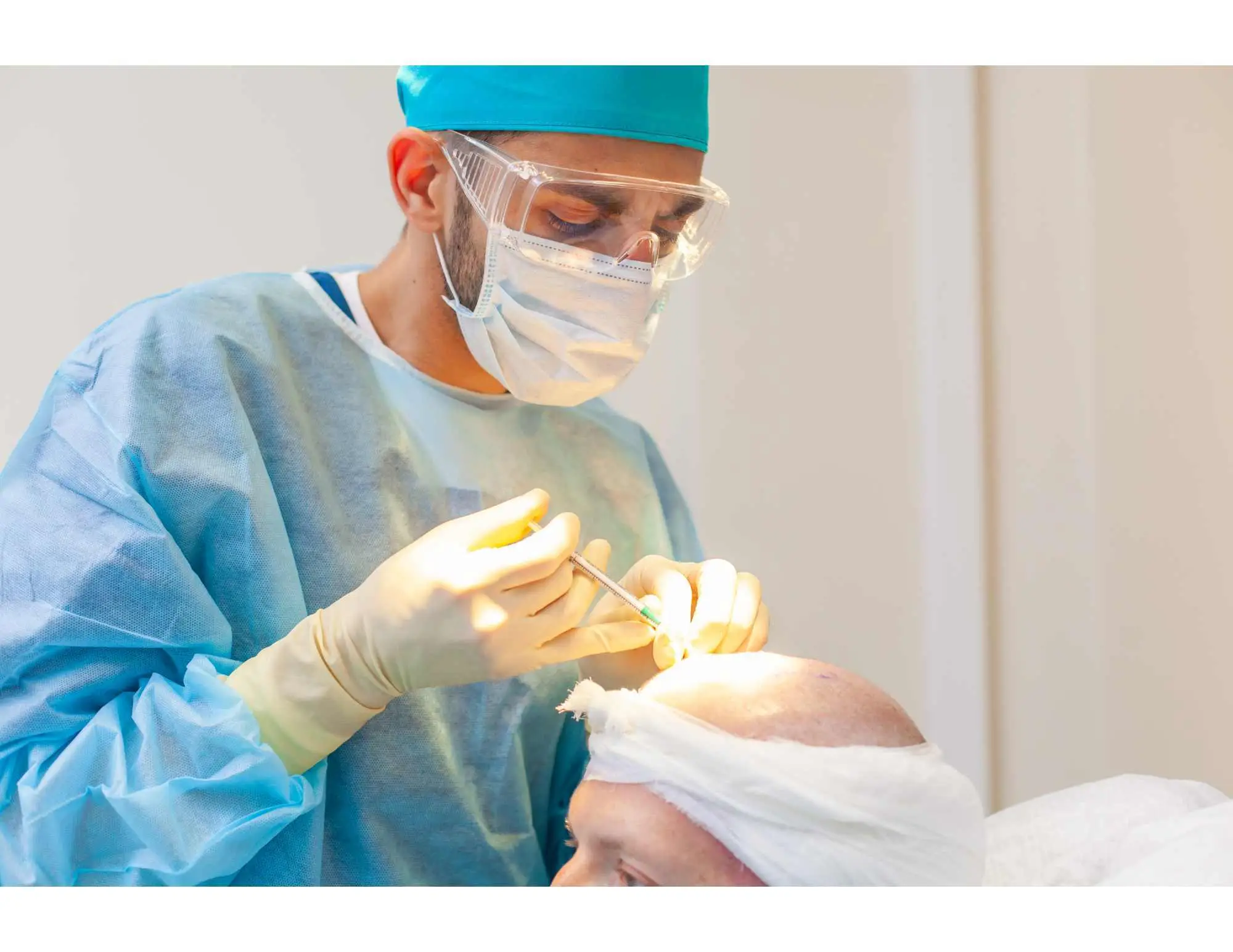
In hair transplantation, the fusion of physics and mathematics offers profound insights into the dynamics of the donor area. Just as these scientific disciplines illuminate various natural phenomena, they also unravel the complexities of hair restoration.
Within the donor region, a fascinating interplay of factors unfolds. Imagine two donor zones with similar hair densities: through meticulous application of physics and mathematics, it becomes evident that extracting grafts from these areas can yield more viable grafts than more prominent regions.
The transitional zones, characterized by follicular openings at their peaks, exhibit an intriguing relationship with the donor site. Depending on variables like age and the nature of hair loss, these zones may intersect with the boundaries of the donor area. Interestingly, in younger patients, the shedding process may be incomplete or accompanied by the emergence of new hair growth, which plays a pivotal role in delineating the donor’s boundaries.
A proficient hair transplant surgeon adeptly manipulates the donor region, strategically preventing the fusion of the frontal and transitional zones to mitigate balding in posterior regions. By tactfully defining the donor area’s lower perimeter, they preserve the aesthetic integrity of the patient’s hairline.
Within the donor region, an enthralling duality emerges. The central area, rich in large grafts, harbours densely packed follicles with substantial thickness, making it an ideal source for extracting larger grafts, resulting in a denser and more robust hairline restoration. Conversely, the regions behind the ears and on the sides of the donor area demand a gentler approach due to the presence of thinner and solitary grafts. Here, the surgeon exercises utmost caution, considering factors such as blood circulation and follicular density to ensure successful transplantation onto the frontal hairline.
Thus, the symphony of physics and mathematics plays out harmoniously in FUE hair transplantation. By adhering to these scientific principles, the surgeon orchestrates a delicate interplay between the donor area and the recipient’s hairline, culminating in a seamless and aesthetically pleasing hair restoration.
Delving into the Donor Area Density: Unraveling its Role in the Success of Hair Transplantation
In the intricate landscape of hair restoration, the density of the donor area emerges as a pivotal determinant, wielding substantial influence over the outcome. This density, which quantifies the concentration of follicular units per square centimetre, varies significantly among individuals. Extensive research has delineated a spectrum spanning from 40 to 110 follicular units per square centimetre, with the typical range hovering between 60 to 80 follicular units per square centimetre.
The process begins by measuring the width of the donor area and calculating the total follicle count by multiplying this dimension by the density factor. This foundational computation is the bedrock for determining the maximum graft yield achievable from the donor region, as only a fraction of follicles, typically around 30 to 40 per cent, can be safely harvested.
The primary objective is to meticulously manage the density of the donor area both pre- and post-procedure to mitigate scar tissue formation. Each follicle extraction, performed using a punch tool, creates a minute cavity in the skin, the size of which depends on the diameter of the punch utilized. While these small cavities heal swiftly, they may leave minor scars.
Critical attention must be paid to the placement of extraction sites during the procedure to prevent the merging of incisions, which could exacerbate tissue trauma and impede healing, ultimately resulting in visible scarring. Unfortunately, some clinics prioritize graft quantity over the aesthetics of the donor area, disregarding potential post-transplantation ramifications such as visual irregularities and patient dissatisfaction. Avoiding such practices is essential for fostering optimal transplantation outcomes.
Furthermore, strategic site placement during prior sessions confers an advantage for subsequent procedures. Non-converging extraction sites from earlier sessions unlock access to previously untapped follicles, enriching the transplantable pool. By transparently communicating to patients that extraction will be capped at a level preserving donor area integrity, surgeons safeguard against scarring, uphold circulation, and sustain the nourishment of transplanted sites.
Patients with lower donor area densities may face graft scarcity, while those with denser follicular clusters may encounter challenges with repeated extraction. Accounting for these nuances upholds the aesthetics of the donor area and safeguards hair health, paving the way for future transplantation endeavours.
By celebrating the unique attributes of each patient’s donor area density and embracing these considerations, hair transplant practitioners can achieve exceptional outcomes, fostering patient satisfaction and confidence on their journey to follicular rejuvenation.
Balancing Single and Multiple Hairs in Hair Transplantation: A Delicate Art
Achieving a harmonious blend of single and multiple hairs in hair transplantation is paramount for crafting a natural aesthetic. A typical individual boasts around 100,000 hairs throughout their body, with the scalp housing the majority, totalling between 60,000 to 80,000 hair follicles. Within these follicles, the hairs vary in number, ranging from one to five.
Extensive global research has revealed an average of 2.2 hairs per follicle, a crucial metric when harvesting hair for transplantation. Strategic selection of these multi-haired follicles yields superior outcomes and reduces the number of required grafts.
Yet, the approach shifts when designing the hairline. Here, meticulous attention is given to selecting single, thin hairs to create a natural, soft transition. Conversely, regions behind the hairline necessitate the transplantation of multiple hairs to achieve the desired density and fullness.
During extraction, the focus is maximizing hair yield while ensuring minimal follicle damage. Thicker punches are employed for multiple hair extraction to safeguard follicle integrity, as using thinner punches risks inadvertent harm.
Additionally, surgical assistants meticulously categorize and tally harvested follicles by hair count. These detailed records offer invaluable insights into the transplantation process, aiding future assessments and treatment planning.
By mastering the intricate interplay between single and multiple hairs, hair transplant surgeons can sculpt remarkable, lifelike results, empowering patients with renewed confidence on their journey to hair restoration.
In the realm of hair transplantation, the delicate equilibrium between thick and thin hair is a pivotal determinant shaping the ultimate success of the procedure. Individuals endowed with luxuriantly thick hair often witness remarkable transformations with fewer grafts, underscoring the importance of selectively harvesting thick strands from the donor area. Conversely, fine hair poses a unique challenge, as it may contribute to a lacklustre appearance, failing to achieve the desired density.
A nuanced understanding of hair dynamics reveals that individuals who exude a perception of dense hair, particularly when donning longer styles, may possess finer strands. Within the lexicon of Smile Hair Clinic surgeons, this collective hair mass is encapsulated in the “Absolute Density.” This metric encapsulates the thickness quotient derived from aligning all extracted hair strands side by side and dividing them by the transplantation surface area. In the calculus of absolute density, including thick hair consistently yields superior density within the transplant zone.
Moreover, the meticulous curation of grafts hinges on a strategic interplay between thin and thick hair. Thin hair finds its niche along the delicate contours of the hairline, ensuring a seamless transition and natural aesthetic. Once an ample reservoir of thin grafts is secured, attention pivots towards procuring thicker tufts, laying the foundation for a comprehensive and impactful transformation in a single session.
However, pursuing hair transplantation excellence necessitates a reasonable balance, clearing overzealous graft extraction. A multifaceted assessment encompassing patient anatomy, donor area dimensions, density, and vascular perfusion status informs the optimal harvest quota from specific locales. Such precision is indispensable in orchestrating a harmonious symphony of thick and thin hair, underpinning the goal of attaining enduring satisfaction and aesthetic fulfilment.
While the allure of maximizing graft yield may resemble a swift victory, surgeons at Smile Hair Clinic espouse a forward-thinking ethos. They prioritize their patients’ long-term well-being and contentment. Honest dialogue and comprehensive patient education regarding potential ramifications underscore the ethical imperative guiding each procedural decision.
By venerating the intricate dance between thick and thin hair ratios and exercising astute judgment throughout the transplantation process, surgeons elevate the artistry of hair restoration, enriching lives and engendering enduring confidence in each patient’s follicular odyssey.
Crafting the Canals: Precision in FUE Hair Transplantation
The artistry of hair transplantation unfolds through a meticulously orchestrated process where surgical precision meets the skilled hands of assistants and surgeons alike. Central to this process is carefully classifying and separating grafts harvested from the donor area, distinguishing them based on their individual characteristics, particularly the number of hairs they contain.
Initiating the canal incision process marks a pivotal stage, where the surgeon’s discerning eye selects the ideal sapphire blade, considering the thickness and length of the grafts. To achieve a seamless and dense result, the creation of canals must harmonize with the natural direction of hair growth. These canals, angled delicately at 10-20 degrees towards the front hairline, gradually orient towards the posterior regions.
Attention to detail is paramount during this stage, as the surgeon meticulously mirrors the patient’s hair direction and length. The angle and extent of the canals wield significant influence, defining the ultimate natural appearance post-FUE hair transplant.
Adopting a vertical approach for canal incision towards the frontal region, the surgeon meticulously angles towards the centre for lateral sides, mirroring existing hair patterns where necessary. The width of these canals directly impacts the outcome, prompting an interlocking incision technique to achieve a denser canal structure. Planned at a density of 60-70 follicular units per square centimetre in dense areas, this technique allows for optimal graft transplantation.
In scenarios of graft scarcity, priority areas receive heightened canal density, while other regions may see a reduction to 20-25 follicular units per square centimetre, catering to individual preferences.
Maintaining precise canal depth is paramount to ensuring successful graft placement without harming the surrounding tissues. Shallow canals risk impeding graft circulation and may lead to bending upon transplantation, while overly deep canals threaten surrounding tissues, potentially resulting in graft failure. Ahead of canal incision, meticulous measurement and planning of the transplant area ensure precise graft distribution.
During the incision process, the surgeon utilizes a tumescent/inflation fluid containing adrenaline and an isotonic solution to control bleeding, enhance tissue viability, and shield surrounding tissues. This fluid expands the tissue surface, facilitating precise and intense canal incisions and ensuring optimal graft placement.
Upon completing the canal incision, the patient assumes an upright position and jointly reviews the newly crafted hairline with the surgeon. Patient approval is sought to guarantee satisfaction, and any necessary adjustments are made before concluding the procedure.
Crafting a natural and aesthetically pleasing hairline entails strategically placing canals and eschewing straight lines in favour of irregular indentations and protrusions mimicking nature’s asymmetry. This approach culminates in an authentic and unique hairline, poised to flourish as the transplanted hair takes root.
Ensuring the viability of extracted grafts is paramount during the hair transplantation procedure, with a window of up to 6 hours without damage. These grafts are meticulously stored in specialized fluids, maintaining specific cold temperatures to preserve their integrity. Strict control over these conditions is crucial to ensure the grafts’ health and the overall quality of the transplantation process.
Healthcare personnel who perform the procedure undergo rigorous training, possess comprehensive knowledge of graft handling, and require manual dexterity to place the grafts in the recipient area without causing trauma.
Even under ideal conditions, the transplantation phase significantly influences the procedure’s success. Any mishandling during this stage can have dire consequences. It’s imperative to handle the grafts delicately, avoiding gripping them by their roots or applying excessive pressure that could lead to trauma.
It’s crucial to ensure the grafts remain unbent and correctly positioned within the incised canals during placement. Post-operation, the grafts undergo further examination under magnification. Transplanted grafts are randomly checked from various regions to verify the transplantation process’s accuracy, serving as an additional measure to ensure success.
After these stages, the patient is gently raised, and the donor area is dressed and securely bandaged. Particular attention is given to stabilizing the forehead to prevent downward shifting due to gravity.
Following bandaging, photographs are taken for documentation before the patient awaits the doctor’s final discharge instructions in the main hall.
During discharge, essential instructions are provided to ensure a smooth recovery, including:
These instructions are vital for post-operative care, promoting a healthy recovery and optimal results. Patients must closely adhere to these guidelines to optimize their hair transplantation outcome.
While some patients may experience difficulty sleeping due to the caution needed to protect transplanted grafts, it’s essential to note that discharge from the donor area during the night is standard and consists of the tumescent fluid injected during the procedure. Patients should be reassured that discomfort associated with these experiences will diminish over time, and the ultimate goal of a successful hair transplant will be well worth the effort.
What is a Mommy Makeover? A mommy makeover is a combination of surgical procedures designed to restore a mother’s body after pregnancy and childbirth. Common
When you think of Marmaris, you might first imagine its beautiful beaches, lively nightlife, and amazing Turkish food. But did you know Marmaris also offers

Have you ever experienced a toothache that strikes suddenly and sharply without any warning? Even simple daily activities like eating or drinking can feel unbearable,